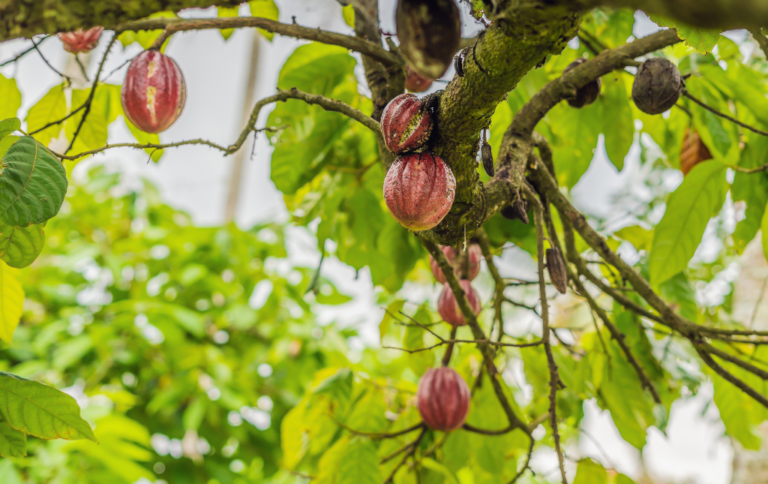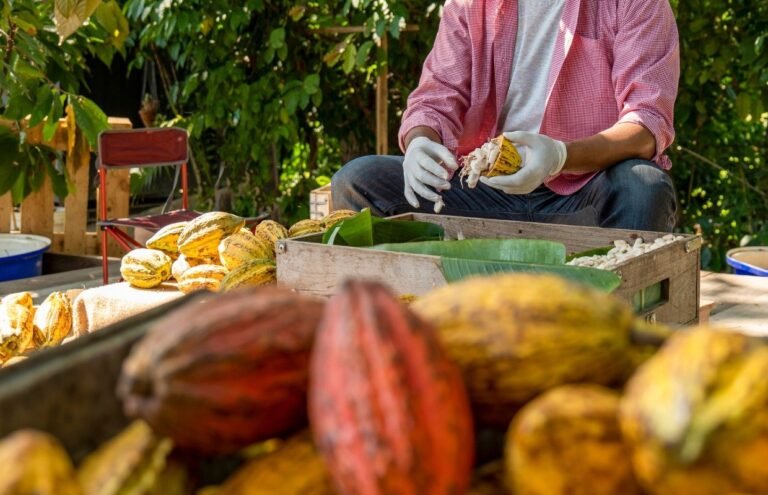

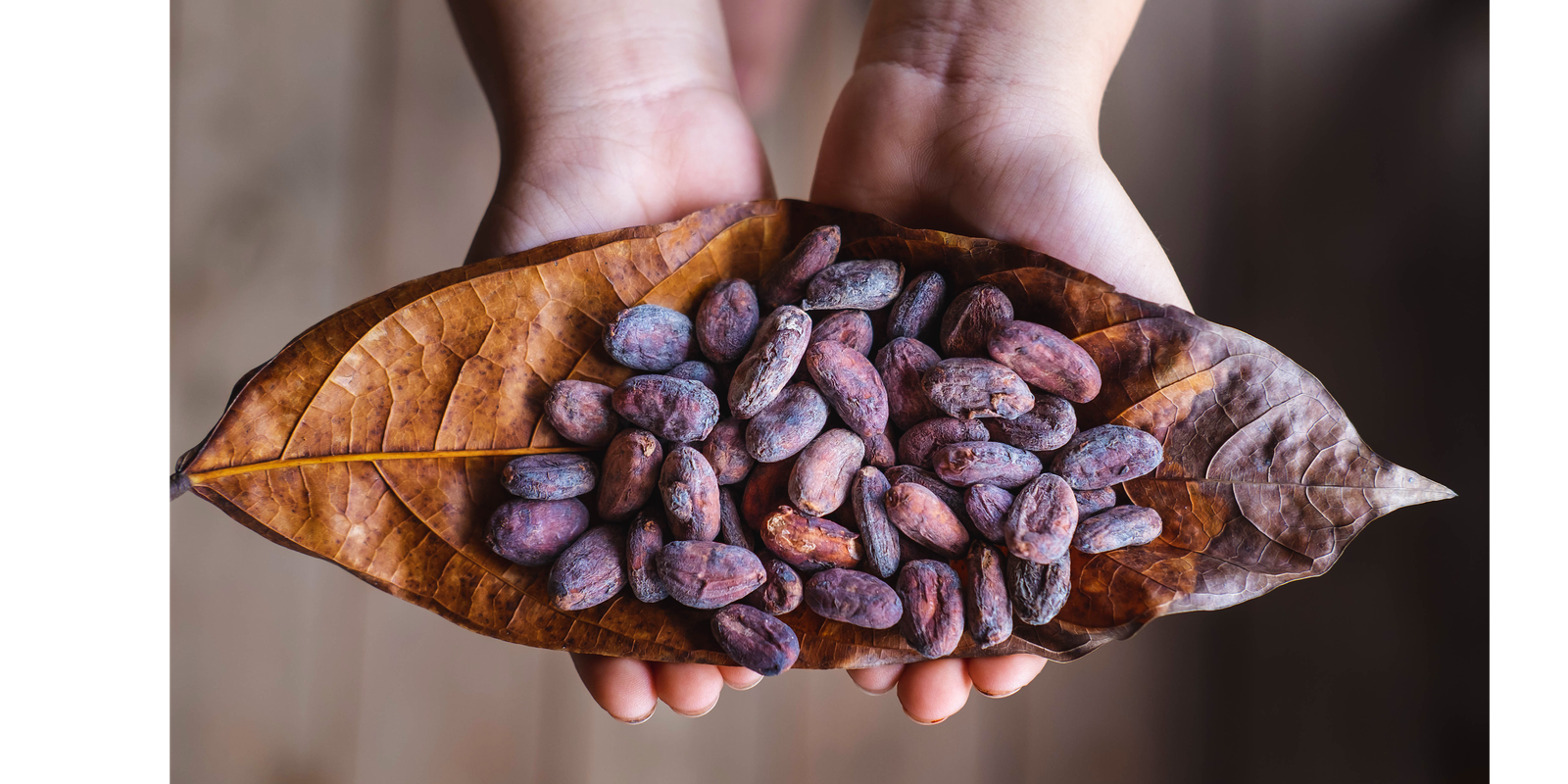
The term “raw cacao” has led to a great deal of discussion and confusion. It is often misused by marketers and has become complicated in the way it is applied to cacao. In this post, we want to clear up the misconceptions and offer insight into the world of cacao.
The Origin of “Raw Cacao”
The term “raw” gained popularity in health circles with the rise of diets focused on eating only fruits and vegetables, emphasizing the benefits of consuming fresh, uncooked foods. According to this standard, food should not be heated above 47 degrees Celsius, or 116 degrees Fahrenheit, in order to preserve the integrity of its nutrients.
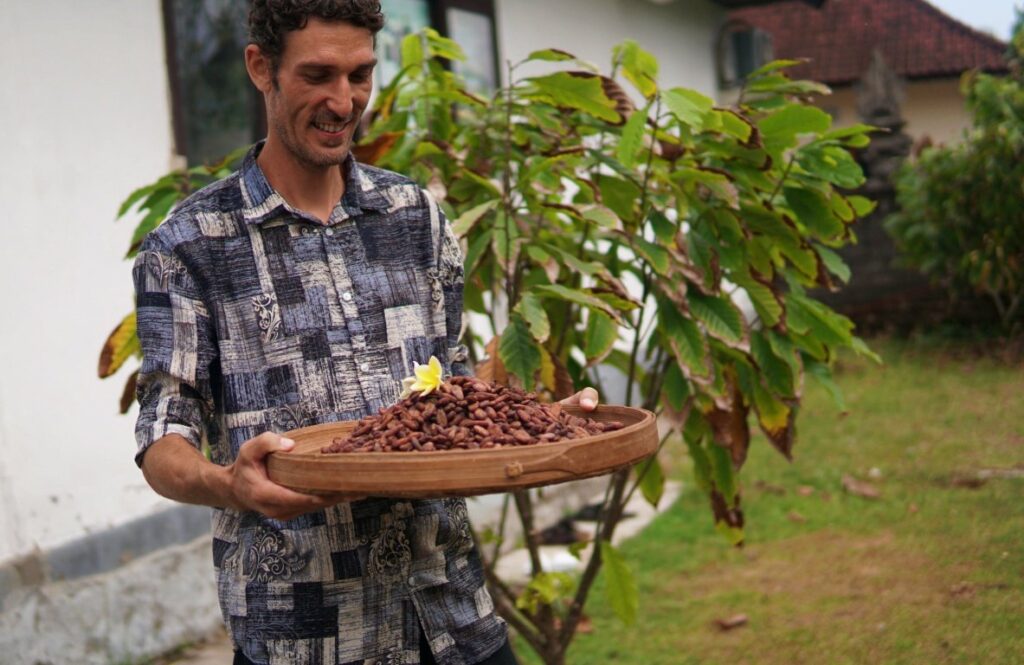
This led to the introduction of “raw chocolate” as a way to satisfy the desire for chocolate without straying from a raw food diet. Most commercial cacao is processed with high heat, both to standardize the product and to mask the inferior quality of the raw materials. As a result, “raw cacao” emerged as a term representing a more natural, unrefined form of chocolate, appealing to those seeking purity and quality in their cacao sources.
Challenges with “Raw” Cacao
Despite the appeal of “raw” cacao, there are important challenges when applying this concept to cacao:
Fermentation and Heat: Cacao fermentation, a critical step in flavor development, often exceeds the 47°C (116°F) temperature limit defined by the raw food movement, reaching around 51°C (124°F). This fact alone raises questions about the feasibility of truly “raw” cacao, as maintaining strict temperature control during fermentation is both impractical and unlikely.
Cacao’s Response to Heat: Unlike fruits and vegetables, dried cacao beans have a low moisture content, less than 8 percent, which means they respond well to heat. Instead of losing quality or vitality, cacao beans transform when roasted, significantly enhancing their flavor profile. This shows that cacao benefits from the application of heat, which contrasts with the principles of raw food.
The Role of Roasting: Roasting cacao beans not only enhances their flavor, it also aligns with the traditional practices of Indigenous communities who have cultivated cacao for centuries. These communities use low-temperature roasting methods and integrate the transformative power of the fire element into their chocolate-making process. This wisdom highlights the importance of balance and the skillful application of heat when crafting high-quality chocolate. Another crucial reason cacao is roasted is to eliminate unwanted bacteria.
Purity and Process: The term “raw” often suggests purity and authenticity in chocolate making. While we embrace and practice these principles, we prefer not to label our cacao as “raw” because of the complexity and misunderstandings surrounding the term. Instead, we focus on the integrity of our origin and the meaningful role of our cacao, applying only minimal heat to preserve the natural flavors and inherent qualities of our premium beans.
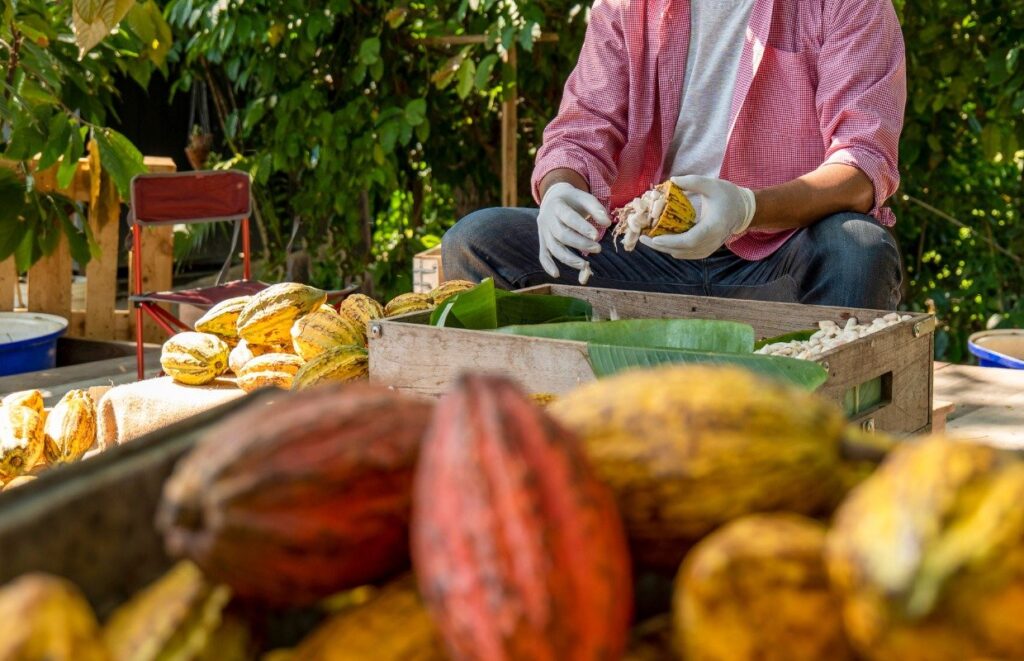
While “raw cacao” suggests a certain purity and quality, the reality of cacao production and traditional practices calls for a more nuanced perspective. By embracing the wisdom of Indigenous methods and the transformative potential of heat, we can appreciate the true depth and richness of cacao, beyond the limitations of the label “raw.”